



GLP-1 Agonists: Your Guide to the Latest in Medical Weight Management

For many years, traditional weight loss methods like diet and exercise alone have proven challenging for individuals living with obesity or significant overweight. However, breakthroughs in medical science have introduced a game-changer: GLP-1 agonists. Medications like Wegovy, Ozempic, and Mounjaro are reshaping how healthcare providers approach chronic weight management. These are not simply “diet pills,”…

Read More

Penicillin G: What You Need to Know

Penicillin G, the trusty antibiotic, comes in with a needle jab or an IV drip. Let’s break it down for you: Forms and Functions Safety First The Side Hustle: Adverse Effects Social Interactions Remember, penicillin G is like that reliable friend—sometimes a lifesaver, sometimes a party pooper! 🌟💉 Summary: This article reviewed by Dr. Jim…

Read More

Hip Fractures: What You Need to Know

Hip fractures are serious injuries, especially as we age. They often result from falls and can lead to significant complications. Here’s a simplified guide to hip fractures: Signs and Symptoms Complications Hip fractures can lead to several complications: Prevention Tips Here’s how you can reduce your risk of hip fractures: Treatment If you do experience…

Read More

What is RSV?

What is RSV? RSV stands for respiratory syncytial virus. RSV is a virus that can cause infections of the lower respiratory tract. Two types of lower respiratory tract infections are pneumonia (lung tissue infection) or bronchiolitis (bronchioles infection). RSV is one of the many causes of the common cold, as well as infections of the…

Read More

IBS vs IBD, and what to do about them.

Inflammatory Bowel Disease (IBD) is an umbrella term used to describe disorders that involve chronic inflammation of the digestive tract. Irritable bowel syndrome (IBS) is a disorder characterized by abdominal pain or discomfort associated with altered bowel habits in the absence of structural or major inflammatory abnormalities. Types of IBD include: Ulcerative colitis: This condition involves inflammation and…

Read More

The Science of Cravings: Why We Want What We Want and How to Handle It

Introduction Cravings are more than just hunger—they’re powerful psychological and biological signals. Understanding what causes them and how to manage them can lead to better eating habits and greater self-control. Let’s break down the science behind cravings and how to work with them, not against them. What Causes Food Cravings? Tips to Manage Cravings Conclusion…

Read More

Things You Should Eat and Avoid with Heart Disease

Diet for Heart Disease For those with heart disease, maintaining a heart healthy diet is an important part of managing your disease.  Some foods promote heart health while others negatively impact the heart and should be avoided to minimize risks. The connection between nutrition and heart health should not be undermined. For example, hyperlipidemia and…

Read More

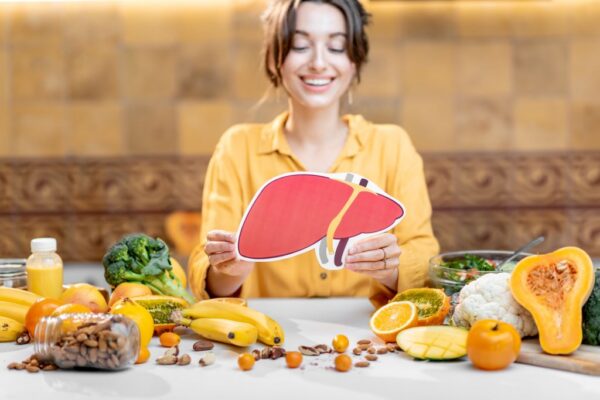
What are Gallstones and How did I Get One?

What is Gallstone? Gallstones (cholelithiasis) are hardened deposits that develop in the gallbladder when there is an imbalance of bilecomposition. They are usually made of cholesterol, bilirubin, or both. The gallbladder stores and releases digestiveenzymes that make up bile. How do I know if I have a gallstone? Gallstones often do not cause any symptoms,…

Read More

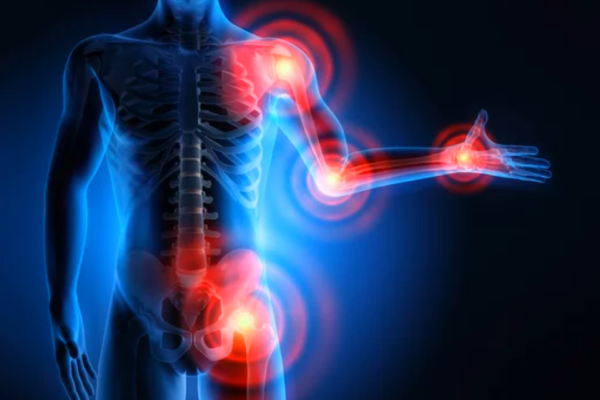
Chronic Inflammation and GLP-1 Agonists: Potential Benefits and Health Implications [Updated 2025]

Chronic inflammation is increasingly recognized as a critical contributor to various health conditions, including obesity, diabetes, cardiovascular diseases, and even certain cancers. Recent research highlights the promising role of GLP-1 (glucagon-like peptide-1) agonists in reducing chronic inflammation, potentially improving overall health and preventing disease. Understanding Chronic Inflammation Role of GLP-1 in Inflammation Potential Benefits of…

Read More

Hypertension

Millions of people are plagued with a condition called hypertension, also known as high blood pressure. The Cleveland Clinic describes high blood pressure as a condition which occurs when the pressure against the blood vessel walls in one’s body is consistently too high. A normal blood pressure is defined as less than 130/80 mmHg. The…

Read More