




Prioritizing Preventative Care: A Proactive Approach to Your Health

Introduction: In today’s fast-paced world, it’s easy to neglect our health until a problem arises. However, a proactive approach to wellness through preventative care can significantly improve our long-term well-being, reduce healthcare costs, and enhance our quality of life. Preventative care focuses on identifying and addressing potential health risks before they become major issues. This isn’t just…

Read More

The Anti-Inflammatory Diet: A Natural Approach to Reducing Inflammation

Introduction Chronic inflammation is linked to numerous health issues, from heart disease and diabetes to arthritis and autoimmune disorders. The anti-inflammatory diet focuses on foods that help reduce inflammation, supporting better health and preventing disease. This article explores the principles of the anti-inflammatory diet, its benefits, and tips for incorporating anti-inflammatory foods into your daily…

Read More

How much vitamin C is too much?

Vitamin C, also known as ascorbic acid, is imperative to many bodily functions such as immunity and metabolism. Due to the fact that vitamin C is not produced naturally by the body, we have to rely on external dietary sources to get it. Vitamin C is an essential nutrient, but it is possible to have…

Read More

What is a Safe Amount of Weight to Lose per Week?

What’s a Reasonable Rate of Weight Loss? Okay, let’s chat about shedding those extra pounds! 🌟 So, you’ve decided to embark on a weight loss journey. Kudos! But hold your horses—there’s a sweet spot between “too slow” and “too fast.” Let’s find that Goldilocks pace. 1-2 Pounds Per Week: That’s the magic number. Most experts…

Read More

Gut Health Revolution: Your Essential Guide to Microbiome Testing and Wellness (2025)

Gut health has emerged as a critical component of overall wellness, influencing everything from digestion and immunity to mental health. The gut microbiome, composed of trillions of bacteria and microorganisms, plays a pivotal role in maintaining health and preventing disease. In this comprehensive guide, we explore practical steps to improve your gut health, explain how…

Read More

What antibiotics require avoiding sun exposure?

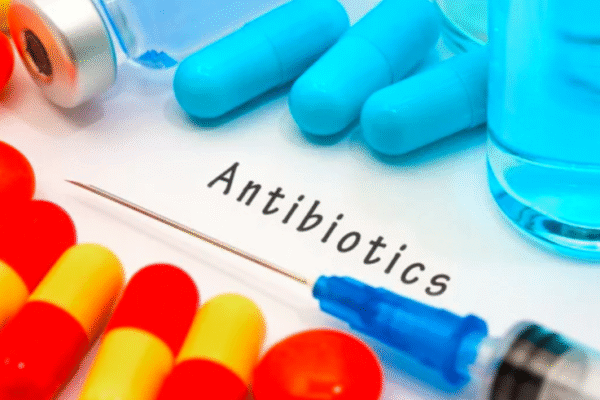
There are many types of medicines that contain ingredients that may cause photosensitivity, this means increased sensitivity to sunlight that can cause sunburn-like symptoms, a rash or other unwanted side effects. There are two types of photosensitivity – photoallergy and phototoxicity. Photoallergy is an allergic reaction of the skin and may not occur until several…

Read More

How to Reduce Inflammation Through Diet

Introduction Chronic inflammation has been linked to various health conditions, including heart disease, diabetes, and arthritis. While inflammation is a natural immune response, an unhealthy diet can contribute to prolonged inflammation. This article explores how dietary choices can help reduce inflammation naturally. Foods That Reduce Inflammation 1. Omega-3 Fatty Acids: 2. Leafy Greens: 3. Berries:…

Read More

What is High Blood Pressure?

What is high blood pressure? Blood pressure is the pressure the heart generates, and the pressure within vessel, when the heart is beating. Systolic pressure is the pressure generated when the heart is contracting and pumping to the rest of the body. Diastolic pressure is the pressure generated when the heart is relaxing and filling…

Read More

Cancer Detection Revolution: Early Screening Kits, Healthcare Provider Roles, and Wellness Strategies (2025)

Cancer remains one of the leading causes of death worldwide, but groundbreaking advancements in early detection technology, such as GRAIL and other home-testing kits, offer unprecedented opportunities for early intervention. In this comprehensive, SEO-optimized guide, you’ll discover how advanced cancer detection kits work, how healthcare providers support cancer detection, and essential wellness tips to lower…

Read More

What is Monkeypox and is there a treatment?

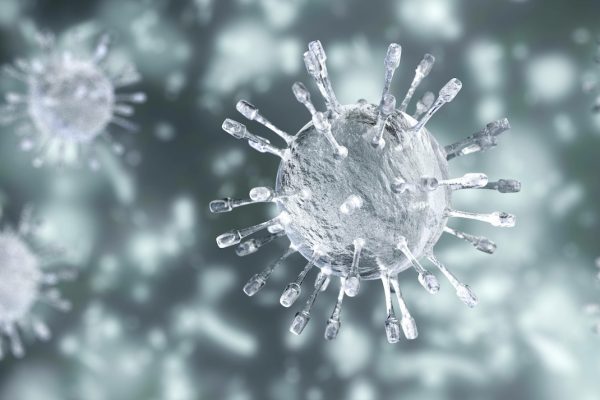
Monkeypox virus is a disease that typically affects rodents or nonhuman primates, but may occur in humans. It is native to Central and Western Africa but may spread due to international travel, imported animals, or close contact with an animal or person with monkeypox. The symptoms of Monkeypox include: fever, rash, headache, muscle aches, chills,…

Read More